
- Profesor: Admin User
Atlantis University Learning Community
Salta cursos disponibles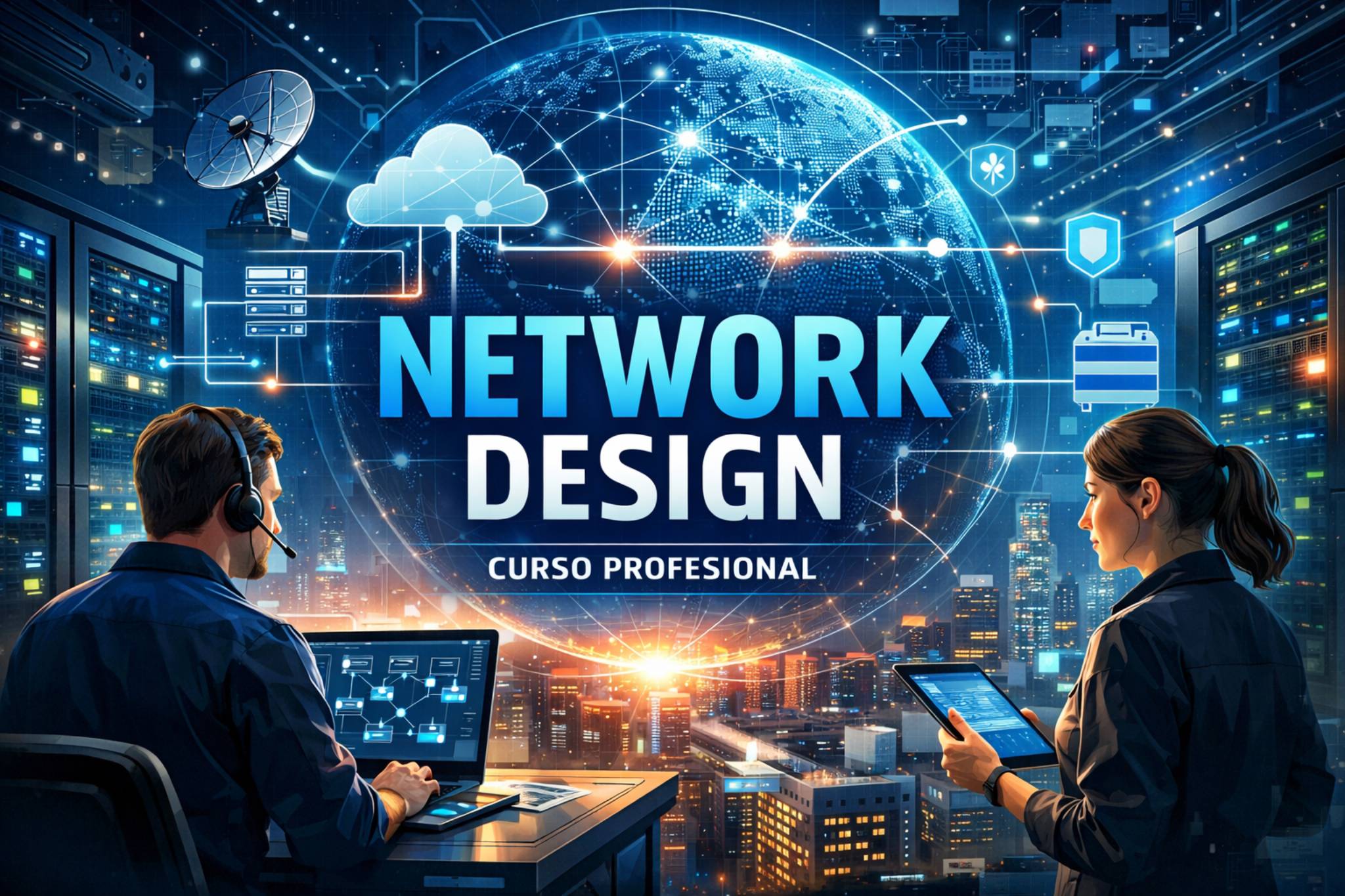



Cursos disponibles
Course Summary — Network Design
This course provides a comprehensive foundation in modern network design, covering the principles, methodologies, and best practices used to build secure, scalable, and high-performance networks. Students will learn how to analyze business and technical requirements, translate them into effective network architectures, and design solutions for enterprise, data center, cloud, and hybrid environments.
Through real-world scenarios, the course explores network topologies, IP addressing and routing strategies, segmentation, redundancy, high availability, performance optimization, and security by design. Emphasis is placed on structured design methodologies, documentation, and decision-making, enabling students to justify architectural choices and adapt designs to evolving technologies and constraints.
By the end of the course, learners will be able to design end-to-end network solutions aligned with organizational goals, operational requirements, and industry standards, preparing them for professional roles in network engineering, architecture, and infrastructure planning.
- Profesor: German Urdaneta
- Profesor: Ricardo Tomas Campos
Whether you’re new to the field or a seasoned professional, mastering the basics in Microsoft Azure can help you jump-start your career and prepare you to dive deeper into the many technical opportunities Azure offers.
This certification validates your foundational knowledge of cloud concepts in general and Azure in particular. As a candidate for this certification, you can describe Azure architectural components and Azure services, such as compute, networking, and storage, as well as features and tools to secure, govern, and administer Azure.
The Microsoft Certified: Azure Fundamentals certification could be a great fit for you if you’d like to:
- Prove your knowledge of cloud computing concepts, models, and services, such as public, private, and hybrid cloud, in addition to infrastructure as a service (IaaS), platform as a service (PaaS), and software as a service (SaaS).
- Show your expertise on how Azure supports security, privacy, compliance, and trust.
It’s recommended to have skills and experience working with an area of IT, such as infrastructure management, database management, or software development. You can use your Azure Fundamentals certification to reinforce your basics for other Azure role-based or specialty certifications, but it isn’t a prerequisite for any of them.
- Profesor: Admin User
This course offers a comprehensive exploration of human resources management (HRM)
within healthcare organizations. It emphasizes analyzing, designing, and operating
organizational systems through a systematic approach to managing personnel and human
resources.
Students will delve into behavioral science, addressing individual, interpersonal, and small group behaviors within complex healthcare systems. Topics include recruitment, employee evaluation, performance management, compensation, and training. The course covers practical strategies for resolving conflicts, ensuring compliance with healthcare laws such as the Affordable Care Act (ACA), and leveraging information technology for enterprise risk management. Case studies and realworld applications will help
- Profesor: Carolina Blackman
This section provides centralized access to all course syllabi for the Master of Science in Healthcare Management program at Atlantis University. Each syllabus outlines the course objectives, learning outcomes, weekly topics, competencies, assignments, and evaluation methods.The syllabi are available in both English and Spanish, and correspond to all modalities offered (on-campus, online, and hybrid).
This repository supports transparency, academic planning, and continuous quality improvement, and serves as a reference for students, faculty, and accreditation reviewers.
- Profesor: David Bracho
- Profesor: Juan Cruz
- Profesor: Dadilia Garces
- Profesor: Carol Palacios
Welcome to Principles of Healthcare Financial Management!
This course is designed to provide an in-depth exploration into the intricate dynamics of healthcare finance, seamlessly merging the complex world of health services with the pivotal principles of financial management.
Starting with an overview of the healthcare industry's structure and significance, students will embark on a journey that introduces them to key stakeholders, historical evolutions, and the myriad challenges faced by healthcare administrators. As the course progresses, learners will delve into the nuanced territories of healthcare reforms, insurance principles, and the multifaceted payment systems that drive the industry.
But finance is more than just about understanding industry dynamics; it's about mastery in execution. Students will cultivate this proficiency by studying medical coding, financial and managerial accounting, and the diverse analytical techniques that underpin effective financial decision-making. Advanced topics such as capital financing, debt-equity analysis, and strategic financial decision-making will further hone students' abilities to navigate the healthcare financial landscape effectively.
By the end of this course, participants will not only have acquired a robust knowledge of healthcare financial concepts but will also be equipped with the analytical skills and strategic thinking necessary to make informed financial decisions in a healthcare setting. Whether you're a budding healthcare administrator, a financial professional looking to transition into health services, or simply curious about the intersection of healthcare and finance, this course promises a comprehensive immersion into the world of healthcare financial management. Join us in this exploration and empower yourself with the expertise to shape the future of healthcare finance!
- Profesor: Admin User
This course explores research design, data collection and analysis, qualitative and quantitative research methods, advanced statistics and modeling, quotation management tools, scientific writing, and communication. Fellows will develop their research skills and gain the knowledge necessary to conduct original research and disseminate their findings effectively.
Course Length: 4 months
Course Objectives:
- Develop a strong understanding of research design and methodology.
- Master various data collection and analysis techniques.
- Gain expertise in both qualitative and quantitative research methods.
- Apply advanced statistical techniques and modeling approaches.
- Develop proficiency in using citation management tools.
- Develop solid scientific writing and communication skills.
- Profesor: Admin User

This faculty development course explores the integration of Artificial Intelligence (AI) in teaching and learning. Participants will examine how AI tools can be used to personalize instruction, enhance student engagement, automate administrative tasks, and support data-driven decision-making. Through hands-on practice, case studies, and collaborative discussions, faculty will gain the skills and confidence to effectively apply AI technologies in face-to-face, hybrid, and online learning environments. The course also addresses ethical considerations, equity, and best practices for responsible use of AI in education.
- Profesor: Dadilia Garces
- Profesor: Alex Lima
- Profesor: Arthur Lyons
- Profesor: Millie Perez
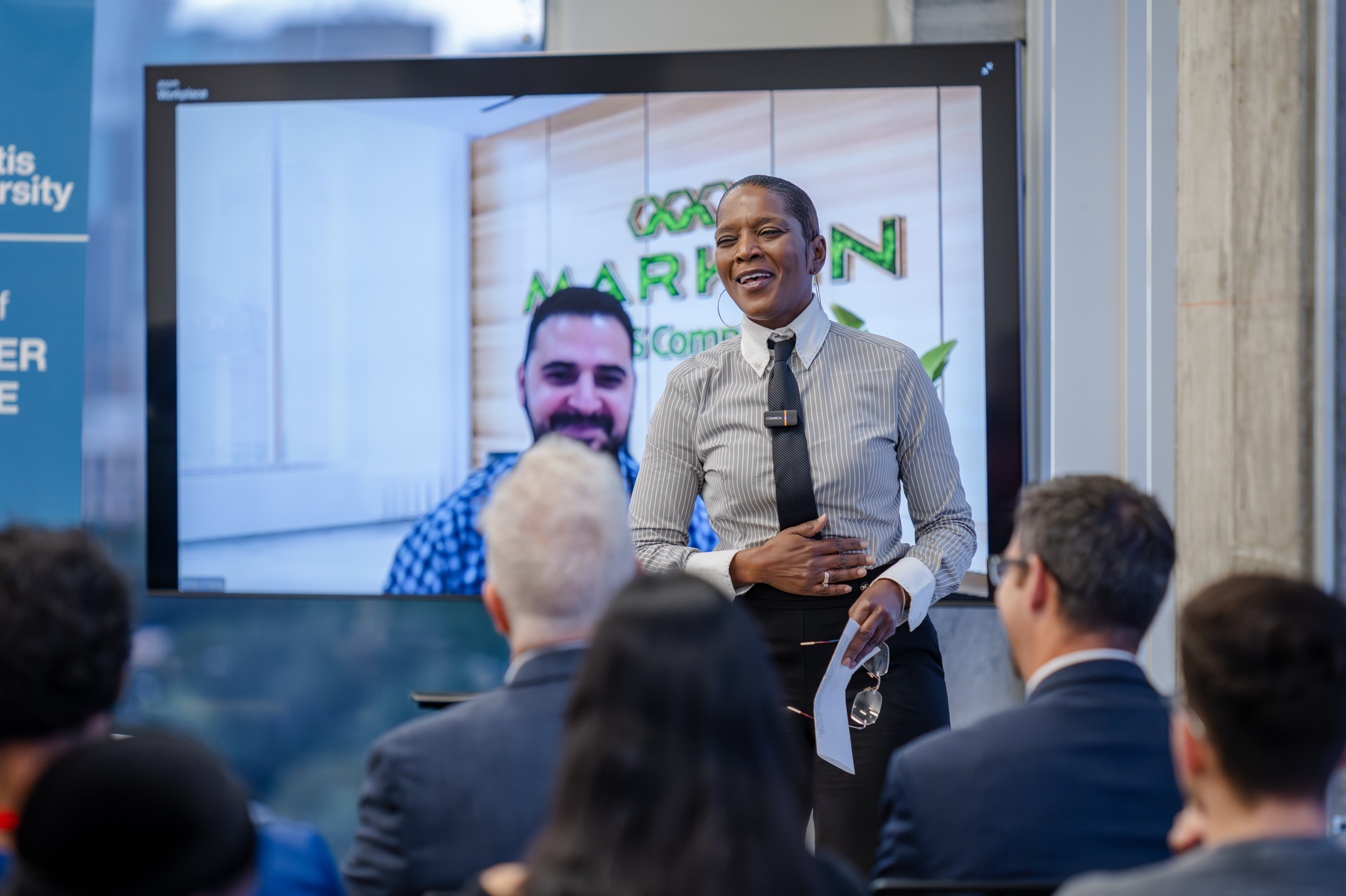
The Virtual Space for Faculty Development at Atlantis University is an interactive, dynamic, and collaborative environment designed to support the continuous professional growth of faculty members. This space provides access to a variety of resources, including training modules, best teaching practices, webinars, tutorials, institutional guidelines, and tools for curriculum innovation and educational technology integration.
Faculty members can participate in asynchronous and synchronous learning experiences, engage in communities of practice, and stay up-to-date with emerging trends in higher education. The platform fosters reflection, collaboration, and knowledge exchange, contributing to academic excellence and the alignment of teaching practices with the university’s mission and strategic goals.
- Profesor: Alex Lima
- Profesor: Arthur Lyons
This course introduces athletes to the fundamentals of sabermetrics and sports data analysis. Through practical projects, real-life performance data, and storytelling, athletes will learn to understand and take ownership of their progress by transforming data into insights. It bridges sports performance, self-awareness, and digital skills development
- Profesor: Admin User
The Faculty Selection Process at Atlantis University is designed to ensure a transparent, inclusive, and merit-based approach to assigning teaching positions for each academic term.
Process Overview:
Course Offerings Published
A list of available teaching assignments is shared with invited candidates.
Application Submission
Candidates apply for one or more courses by submitting their academic and professional information.
Teaching Proposal Workshop
Applicants submit a teaching proposal, including a short video and a sample lesson plan, through a Moodle Workshop activity.
Blind Peer Review
Each participant anonymously reviews at least two peer proposals using a standardized evaluation rubric.
Final Review by Academic Committee
The Academic Committee reviews the peer evaluations and determines the final scores and rankings.
Contract Offers
Selected candidates receive formal teaching offers, which are signed electronically.
This process promotes academic excellence, collegial evaluation, and commitment to quality teaching. All decisions are final and based on clearly defined criteria.
- Profesor: Admin User